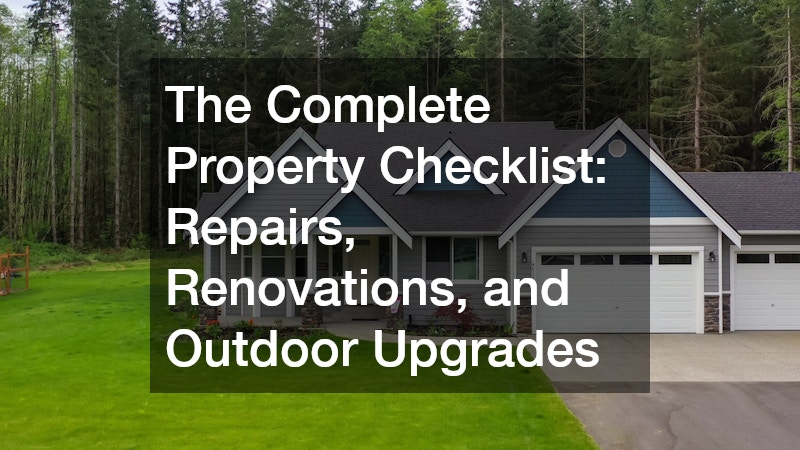
Owning and maintaining a property requires more than addressing problems when they appear. A well-maintained property needs regular attention to its structure, interior spaces, exterior features, safety systems, and surrounding landscape. Small maintenance concerns can become expensive problems when ignored, while thoughtful improvements can make a property more comfortable, efficient, attractive, and functional. A comprehensive property checklist provides a practical way to organize these responsibilities and determine which projects require immediate attention and which can be planned for later.
Assessing Essential Property Repairs
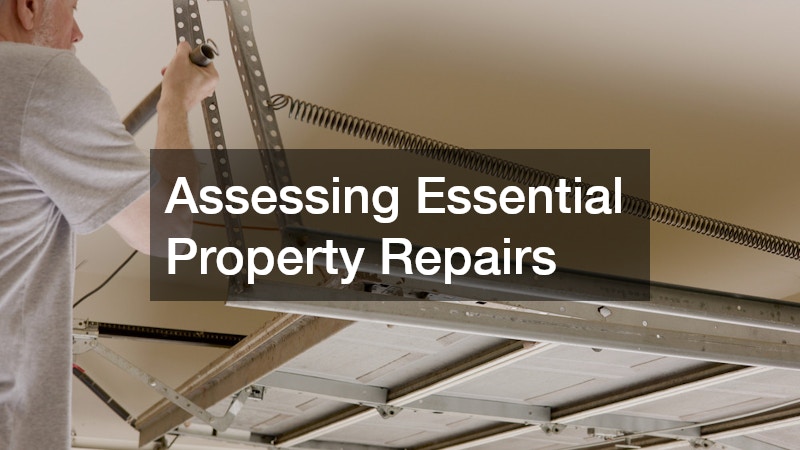
Property repairs should begin with an assessment of areas that affect safety, security, weather protection, and daily functionality. Some problems are obvious, while others develop gradually and require a closer inspection. Cracks, leaks, sticking doors, damaged surfaces, unusual sounds, drafts, and moisture can all indicate that a component needs attention. Creating a repair checklist makes it easier to document concerns and determine which issues require immediate action. Safety-related problems should generally take priority, followed by repairs that could lead to more extensive damage if ignored. This approach helps prevent minor defects from becoming major projects while allowing owners to manage maintenance costs more effectively.
A detailed inspection should include entry points, exterior surfaces, structural components, drainage areas, and frequently used fixtures. A malfunctioning garage door, for example, can create security concerns while making everyday access more difficult. Owners should look for uneven movement, excessive noise, damaged panels, worn hardware, or difficulty opening and closing. Other areas, including doors, windows, exterior materials, and foundation drainage, deserve similar attention. Keeping records of these conditions makes it easier to track changes over time. When repairs involve electrical, structural, mechanical, or specialized work, qualified professionals should evaluate the underlying problem and recommend an appropriate solution.
Planning Interior Renovation Projects
Interior renovations can transform the appearance and usability of a property, but successful improvements begin with careful planning. Before selecting finishes or changing layouts, property owners should determine what they want the renovation to accomplish. A project may improve functionality, modernize an outdated room, increase storage, improve energy performance, or create a more consistent design. Establishing priorities early helps prevent unnecessary changes and keeps the project aligned with the budget. It is also important to consider how individual rooms relate to one another so that materials, colors, layouts, and fixtures create a cohesive appearance.
Specific planning should include an evaluation of existing conditions and the requirements of the proposed work. For instance, sealcoating may be part of maintaining exterior areas while interior projects focus on spaces such as kitchens, bathrooms, bedrooms, and living areas. Larger renovations may require decisions about flooring, cabinetry, lighting, insulation, plumbing, electrical systems, and wall configurations. Owners should also account for permits, project timelines, material availability, and unexpected expenses. A clear scope of work makes it easier to compare estimates, communicate expectations, and monitor progress. Separating necessary improvements from cosmetic changes helps owners direct their resources toward projects that provide meaningful, lasting benefits.
Upgrading Kitchens and Bathrooms
Kitchens and bathrooms are among the most frequently used areas of a property, making them important candidates for thoughtful upgrades. Improvements can address outdated designs, inefficient layouts, worn materials, limited storage, and aging fixtures while making daily routines easier. Successful renovations should balance appearance with durability and practicality. Property owners should consider storage needs, available space, moisture exposure, lighting, ventilation, accessibility, and energy efficiency. Rather than focusing exclusively on cosmetic improvements, it is helpful to evaluate underlying plumbing, electrical, and ventilation systems before work begins.
Specific improvements can include replacing fixtures and countertops, improving cabinet organization, upgrading lighting, installing durable surfaces, and creating more efficient layouts. Kitchens may benefit from energy-efficient appliances and better work areas, while bathrooms may require improved ventilation, storage, water-saving fixtures, or safer flooring. Windows should also be evaluated because damaged frames, faulty hardware, and poor seals can affect comfort and moisture control. In some situations, window repair can restore proper operation without requiring complete replacement. Selecting materials according to the demands of each room can help ensure that renovations remain attractive, practical, and durable.
Improving Energy Efficiency
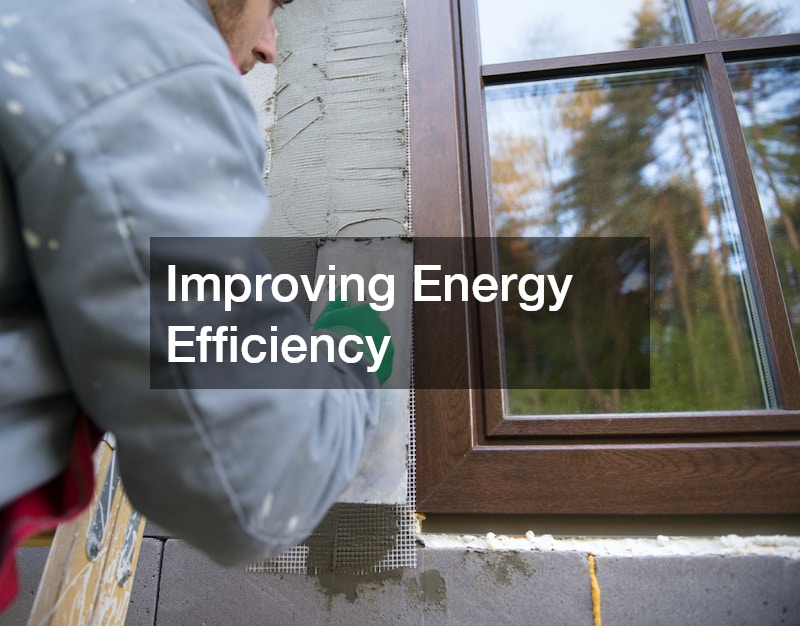
Energy efficiency can affect operating costs, comfort, and the performance of major building systems. Excessive energy use may result from inadequate insulation, inefficient equipment, air leakage, outdated lighting, or poorly maintained heating and cooling systems. Improving efficiency does not always require a major renovation. Sealing drafts, improving insulation, replacing inefficient lighting, and maintaining equipment can all contribute to better performance. A thorough evaluation helps identify the improvements most likely to provide value and prevents owners from investing in upgrades with limited benefits.
More targeted improvements should focus on the building envelope, appliances, lighting, and heating and cooling equipment. Doors and windows deserve particular attention because gaps and deteriorated seals can allow conditioned air to escape. Owners should inspect frames, weatherstripping, glass, and surrounding materials for signs of deterioration. In some cases, window repair can resolve operational or sealing issues while preserving an otherwise serviceable window. Efficient lighting, programmable controls, insulation, and regular equipment maintenance can also support lower energy use. Electrical work should be completed carefully by qualified professionals because improper work can create safety hazards and reduce system performance.
Maintaining Roofing and Exterior Systems
Roofing and exterior systems protect a property from weather, moisture, temperature changes, and environmental exposure. Because these components form the property’s primary defense against the elements, they should be inspected regularly rather than only after a major problem occurs. Roof coverings, gutters, siding, exterior doors, and drainage features can deteriorate because of age, storms, moisture, sunlight, and temperature fluctuations. Regular inspections can identify missing materials, blocked drainage paths, water stains, deteriorating sealants, and other warning signs before they cause more extensive damage.
A detailed exterior assessment should include roof edges, flashing, gutters, downspouts, exterior walls, door frames, and drainage areas. Sliding doors deserve particular attention because their tracks, rollers, frames, and seals receive frequent use and can develop operational problems. When specialized service is needed, property owners may compare sliding door repair companies according to experience, reputation, services, and the nature of the problem. Exterior systems should also be checked after severe weather, when wind, rain, ice, or falling branches may cause hidden damage. Keeping gutters clear, directing water away from the foundation, and repairing deteriorated materials promptly can improve long-term protection.
Enhancing Outdoor Living Spaces
Outdoor living areas can extend a property’s usable space while creating comfortable places for relaxation, dining, entertaining, and family activities. Thoughtful improvements can transform an underused patio, deck, or yard into an inviting extension of the home. Planning should account for how the area will be used, how much maintenance it will require, and how well the design complements the existing property. Shade, seating, lighting, privacy, drainage, and weather resistance all contribute to a functional outdoor environment. Establishing a realistic budget also helps owners prioritize improvements that offer practical and lasting value.
Specific upgrades may include patios, decks, outdoor kitchens, seating areas, lighting, pergolas, and built-in entertaining features. An outdoor fireplace can provide warmth while serving as a visual focal point for a gathering area. Before adding major features, owners should evaluate drainage, ground conditions, utility access, and proximity to the home. Materials should be selected according to local weather and expected use, while seating and cooking areas should be positioned for convenience and safety. For larger projects involving structural changes, a qualified remodeling company can help coordinate construction and related improvements. Careful planning ensures that outdoor upgrades complement the property without creating unnecessary maintenance concerns.
Updating Landscaping and Garden Areas
Landscaping influences a property’s appearance, usability, drainage, and relationship with its surroundings. Healthy landscaping can improve curb appeal while providing shade, privacy, visual interest, and comfortable outdoor areas. Maintaining an attractive landscape requires more than planting flowers or trimming vegetation. Owners should consider soil conditions, sunlight, drainage, irrigation, seasonal changes, and the mature size of plants before making significant changes. Choosing appropriate vegetation can reduce maintenance requirements and support healthier growth.
Specific improvements may include redesigning planting beds, adding low-maintenance plants, improving drainage, installing irrigation, refreshing mulch, and creating defined garden areas. Storm cleanup services can become especially important after severe weather leaves fallen branches, damaged trees, scattered debris, or other hazards throughout the property. Removing damaged vegetation promptly can improve safety and prevent additional damage to structures, vehicles, fences, and utility lines. Trees should also be inspected for unstable branches before affected areas are used normally again. When landscaping involves significant grading or drainage work, owners should consider how those changes may affect foundations and neighboring areas.
Improving Driveways, Walkways, and Fences
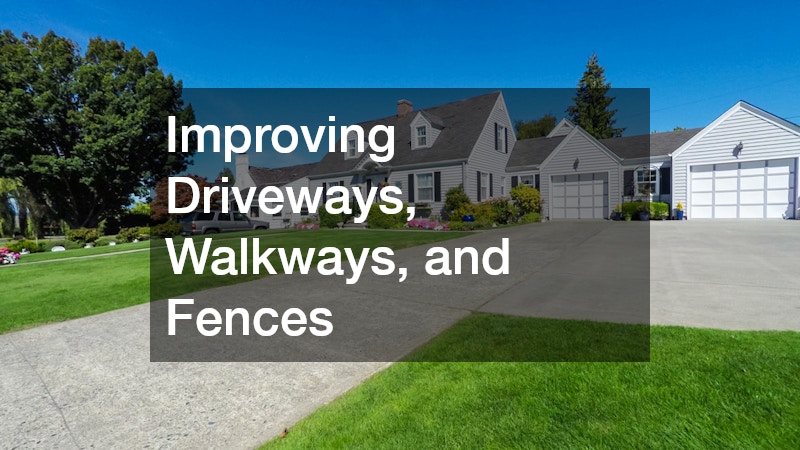
Driveways, walkways, and fences receive regular exposure to traffic, weather, moisture, and temperature changes. Their condition affects both safety and curb appeal, making them important parts of a comprehensive property inspection. Cracks, potholes, uneven surfaces, damaged gates, leaning fence sections, and poor drainage can create hazards and allow deterioration to spread. Addressing these issues early can reduce the likelihood of more extensive repairs. Property owners should also consider whether existing paths and entry points provide convenient and safe access for residents and visitors.
Specific maintenance may include repairing cracks, resurfacing worn areas, improving drainage, replacing damaged fence boards, reinforcing posts, and upgrading gates. Sealcoating can help protect suitable asphalt surfaces from moisture, oxidation, and everyday wear, although the pavement should be evaluated before treatment. Walkways should be checked for uneven areas that could cause trips, while fences should be inspected for rot, corrosion, loose connections, and unstable supports. Standing water near pavement or fence posts can accelerate deterioration, so drainage deserves particular attention. Selecting durable materials suited to local weather and expected use can extend the life of these improvements.
Prioritizing Safety and Accessibility
Safety and accessibility should be considered throughout property maintenance and improvement projects. A property can look attractive and remain well maintained while still presenting hazards that make everyday movement difficult. Owners should regularly evaluate entrances, stairs, walkways, lighting, flooring, railings, bathrooms, and other frequently used areas. Accessibility improvements can make a property more practical for people with different mobility needs while helping important spaces remain usable as circumstances change. Addressing concerns early can reduce injury risks and improve convenience for residents and visitors.
Specific improvements may include stronger handrails, better exterior lighting, repaired uneven surfaces, nonslip materials, wider access points, and clearer pathways. Electrical systems also deserve attention because outdated wiring, overloaded circuits, damaged outlets, and improperly installed fixtures can create serious hazards. When electrical work is necessary, a qualified electrician can evaluate the system and complete appropriate repairs or upgrades. Renovation debris should also be managed carefully to keep work areas organized and safe. A dumpster rental can provide a centralized location for construction waste and damaged materials. Combining inspections with practical safety improvements creates a property that is more comfortable and prepared for changing needs.
Creating a Long-Term Property Maintenance Plan
A long-term maintenance plan provides a framework for managing repairs, renovations, inspections, and outdoor improvements without becoming overwhelmed. Instead of waiting for problems to appear, owners can establish recurring schedules for evaluating major systems and documenting their condition. Seasonal maintenance is especially useful because roofing, drainage, landscaping, exterior surfaces, and mechanical systems respond differently to changing weather. A written plan can also distinguish between routine maintenance, necessary repairs, desirable upgrades, and larger future projects. Prioritizing tasks according to urgency, cost, safety, and long-term impact makes it easier to manage available resources.
A practical plan should include inspection intervals and records of completed work. Owners can document when roofs, appliances, plumbing fixtures, electrical systems, windows, doors, landscaping, and other components were last inspected or serviced. Warranties, materials, project costs, contractor information, and recommendations for future work should also be retained. After major repairs or renovations, the property should be reassessed to determine whether related systems need attention. Unexpected damage may require adjustments to the schedule, especially after severe weather. Reviewing the checklist regularly and updating priorities as the property ages turns maintenance into an organized strategy for preserving safety, functionality, appearance, and value.
Maintaining a property successfully requires a combination of timely repairs, thoughtful renovations, preventative maintenance, and carefully planned outdoor improvements. Each part of a property contributes to its overall condition, and neglecting one area can eventually affect others. A minor exterior defect may allow moisture to enter a structure, inefficient equipment can increase operating costs, and outdated spaces may become less functional as needs change. Treating maintenance as an ongoing process helps owners identify problems earlier and make improvements more deliberately and cost-effectively. Most importanyl, remember to bring in a professional when necessary. An electrician can help identify issues a layman may never spot, for example.
The most useful property checklist should evolve. Priorities change as systems age, seasons shift, budgets change, and occupants’ needs develop. Regular inspections create opportunities to catch deterioration before it becomes extensive, while planned renovations can improve comfort and functionality. Outdoor upgrades can enhance how a property is used while contributing to its appearance and appeal. Keeping detailed records of repairs and improvements also makes future planning easier and provides a useful history of the property’s condition.