
A modern home is a highly complex ecosystem consisting of interconnected structural, mechanical, and environmental elements. For many property owners, maintaining this ecosystem often devolves into a reactive cycle. Waiting for a critical pipe to burst, the heating system to fail during a blizzard, or a foundational issue to become visibly apparent turns homeownership from a point of pride into an ongoing series of stressful emergency responses. True comfort and peace of mind come from fundamentally shifting your perspective to a proactive mindset.
Eliminating Air Leaks and Solar Heat Gain for Year-Round Climate Stability
Creating a consistently comfortable indoor environment begins with mastering the thermal envelope of your building. The thermal envelope is the physical barrier between the conditioned air inside your living spaces and the unconditioned outdoor climate. When this boundary is compromised, heating and cooling systems are forced to run continuously, driving up utility bills and accelerating the mechanical deterioration of the equipment. Managing this thermal transfer requires a two-pronged approach: sealing structural air leaks at the highest points of the building and managing solar heat gain through the fenestration, or glass openings.
Understanding the “stack effect” is crucial for modern climate management. As warm air naturally rises in a home, it exerts outward pressure on the upper levels. If the barrier separating the living space from the roof deck is inadequate, this conditioned air escapes, creating a vacuum that pulls cold, unconditioned drafts in through the lower levels of the house. Addressing this requires professional intervention to properly seal the barrier and establish the correct R-value, which is the measure of thermal resistance dictated by your specific geographic climate zone.
To effectively manage thermal stability, consider implementing these specific strategies:
-
Perform a comprehensive energy audit: Hire an energy specialist to use thermal imaging cameras and blower door tests. These diagnostic tools depressurize the house and visually reveal the exact locations where conditioned air is escaping through the roof deck, upper joists, and poorly sealed exterior doors.
-
Upgrade to regional R-value standards: Ensure that your uppermost barrier meets or exceeds the Department of Energy’s recommended R-values for your climate. In northern climates, heavily fortifying this zone prevents indoor heat from melting roof snow, which subsequently refreezes at the eaves and causes destructive ice dams.
-
Implement automated solar blocking: Utilize motorized, reflective treatments that connect to a central smart hub. By programming these barriers to lower automatically on south-facing windows during peak afternoon hours, you can block harsh ultraviolet rays and reduce the ambient indoor temperature, effectively lowering cooling demands by up to fifteen percent.
To achieve total thermal control, consider hiring a reputable attic insulation service to remove degraded, compacted fiberglass materials that have lost their efficacy over the decades. Replacing old materials with modern, high-density closed-cell spray foam or blown-in cellulose will completely seal the upper thermal envelope, stopping the stack effect in its tracks. Additionally, upgrading to modern, cellular window blinds can dramatically reduce the amount of heat lost through aging glass panes during the coldest months of the year, as their unique honeycomb design traps insulating air directly against the glass.
Upgrading Household Water Filtration and Maintaining Critical Pipe Integrity

Water is arguably the most destructive force a homeowner can face. While catastrophic floods capture the most attention, the slow, silent degradation caused by hidden plumbing leaks and poor water quality poses an equal, if not greater, threat to your property’s structural integrity and your family’s health. Safeguarding the home’s water supply and preventing subterranean moisture damage requires active monitoring and a commitment to maintaining the vast network of supply and drainage lines hidden behind drywall and beneath concrete foundations.
Municipal water supplies and private wells often carry heavy metals, hard minerals like calcium and magnesium, and occasionally bacterial contaminants. Hard water is particularly detrimental; as it flows through the internal mechanisms of expensive appliances like dishwashers, washing machines, and tankless water heaters, it leaves behind calcified scale deposits. Over time, this scaling drastically reduces appliance efficiency, shortens their operational lifespans, and leads to premature, costly replacements. Furthermore, the integrity of the drainage system is constantly threatened by external forces, such as shifting soil and invasive tree roots seeking moisture.
To safeguard your property against water-related disasters, proactively execute the following measures:
-
Install smart moisture sensors and shutoff valves: Place wireless water sensors under every sink, near the washing machine, behind the refrigerator, and adjacent to the water heater. Connect these sensors to an automated main shutoff valve. The moment a leak is detected, the valve instantly cuts off the main water supply, preventing thousands of gallons of water from destroying floors and drywall while you are at work or on vacation.
-
Conduct comprehensive annual water testing: Have your municipal or well water tested annually for volatile organic compounds, lead, chlorine, and hardness. Understanding your specific water profile allows you to implement the exact filtration required to protect your skin, hair, and plumbing infrastructure.
-
Schedule routine hydro-jetting: Prevent catastrophic sewage backups by having main sewer lines hydro-jetted every few years. This high-pressure cleaning method scours the interior pipe walls, cutting through invasive tree roots and dissolving solidified grease blocks before they can cause raw sewage to reverse into your lower-level drains.
Establishing a long-term relationship with experienced plumbing services is essential for maintaining this infrastructure. Having professionals conduct annual hydrostatic pressure tests and preventative video pipe scoping can catch microscopic fractures and failing joints before they rupture, saving you thousands of dollars in emergency water damage restoration. Concurrently, utilizing professional water treatment services to install a whole-home reverse osmosis system or a robust, salt-free water conditioner will preserve your plumbing fixtures, improve the taste of your drinking water, and protect your high-end appliances from mineral degradation.
Revitalizing High-Traffic Sanitation and Cooking Zones for Durability
The kitchen and bathrooms are the hardest-working rooms in any residence. They are subjected to intense daily use, constant moisture, extreme temperature fluctuations, and heavy foot traffic. Because these zones are central to daily hygiene, food preparation, and relaxation, modernizing them is a direct investment in both the safety of the inhabitants and the overall market value of the property. When evaluating these spaces, the focus should shift away from purely cosmetic trends and toward high-performance materials and ergonomic safety features.
In food preparation areas, the primary concern is sanitation and durability. Older surfaces, particularly laminates and unsealed natural stones, feature microscopic pores and seams that harbor dangerous bacteria, such as salmonella and E. coli, transferred from raw meats and unwashed produce. In wet rooms, the combination of soap, standing water, and smooth surfaces creates one of the most significant injury hazards in the home. Upgrading these spaces requires a thoughtful approach to material science and spatial planning to ensure they remain safe and functional for residents of all ages and mobility levels.
Consider the following upgrades to maximize the safety and durability of these essential spaces:
-
Eliminate porous food preparation surfaces: Replace easily scratched, porous materials with seamless, non-porous alternatives that resist stains, heat, and bacterial growth. This ensures that a simple wipe-down truly sterilizes the area after cooking.
-
Focus on aging-in-place modifications: Anticipate future mobility needs by installing structurally reinforced, ADA-compliant grab bars in all shower enclosures and beside toilets. Replace smooth flooring with high-friction, textured porcelain tiles specifically rated for wet-room slip resistance.
-
Upgrade to high-CRI indoor lighting: Swap out harsh fluorescent or low-quality incandescent bulbs for high Color Rendering Index (CRI) LED fixtures. High-CRI lighting accurately mimics natural sunlight, which dramatically improves visibility for safe food chopping in the kitchen and accurate grooming in the bathroom.
-
Install automated, high-capacity ventilation: Upgrade exhaust fans to models equipped with integrated humidity sensors. These fans automatically activate when moisture levels spike during a shower or while boiling water, efficiently venting the damp air outside to prevent toxic black mold from colonizing behind the drywall.
Selecting the right materials is paramount for long-term hygiene. Investing in a premium, engineered quartz or properly sealed granite kitchen countertop provides a nearly indestructible workspace that refuses to harbor pathogens and easily withstands the rigors of heavy, daily cooking. Similarly, when undertaking a comprehensive bath remodel, structurally transitioning the space to feature a zero-threshold (curbless) walk-in shower eliminates the primary tripping hazard associated with traditional bathtub walls, ensuring the space remains accessible and exceptionally safe for decades.
Protecting Building Envelope Integrity Through Preventative Fire and Pest Audits
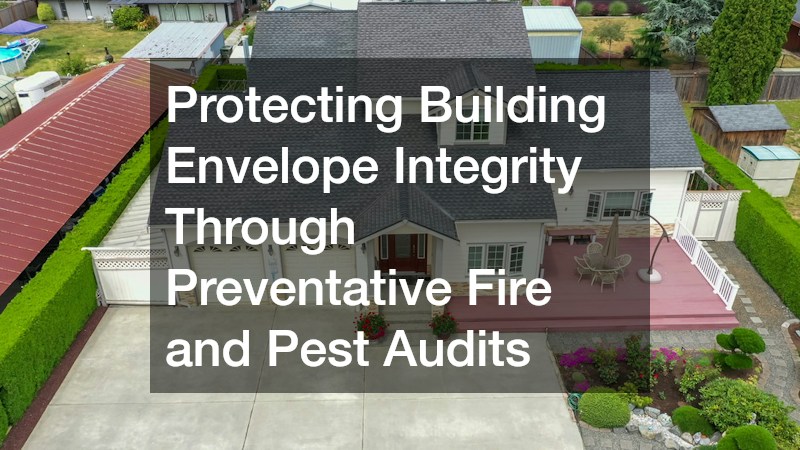
Defending a home goes beyond locking the front door; it involves actively protecting the structural envelope from hidden environmental and biological threats. The exterior of a home is relentlessly assaulted by seasonal weather, and minor vulnerabilities can quickly become access points for destructive wildlife and severe fire hazards. Preventative maintenance in these areas is crucial, as the damage caused by neglected chimneys or stealthy insect infestations usually occurs entirely out of sight, deep within the wooden framing or high inside masonry structures.
Fire hazards in the home are often silent and cumulative. Wood-burning fireplaces and heating stoves naturally produce creosote as a byproduct of combustion. This highly flammable, tar-like substance coats the interior walls of the flue over time. If left unchecked, a stray spark can ignite the creosote, causing a localized chimney fire that burns at thousands of degrees, easily spreading to the adjacent roof decking and attic framing. Simultaneously, the changing seasons drive rodents, insects, and nesting birds to seek shelter and warmth, turning small gaps in the building’s exterior into superhighways for invasive species that chew through electrical wiring and destroy foundational wood.
To defend your home against these structural threats, establish a rigorous annual exterior audit:
-
Conduct a thorough perimeter sweep: Every autumn, meticulously inspect the foundation line. Seal any cracks larger than a quarter of an inch using heavy-duty silicone caulk mixed with copper mesh or steel wool. Rodents cannot chew through the metal, effectively blocking their entry into crawlspaces and basements.
-
Secure roof-level vulnerabilities: Ensure the proper installation of a heavy-gauge metal cap and a specialized spark arrestor at the very top of the flue. This equipment serves a dual purpose: it stops burning embers from floating onto dry roof shingles and prevents raccoons, squirrels, and birds from building highly combustible nests inside the exhaust shaft.
-
Manage landscaping and organic debris: Keep all firewood stacked on elevated metal racks at least twenty feet away from the main structure. Trim tree branches so they do not overhang the roof, and ensure that mulch and soil are pulled back several inches from the siding to discourage wood-destroying insects from migrating directly into the home’s wooden framing.
Mitigating these specific risks requires specialized expertise. Relying on certified chimney sweep companies to conduct annual creosote removal and perform advanced video inspections of the flue lining is a non-negotiable step in preventing catastrophic internal house fires. On the biological front, securing a recurring preventative contract with a licensed pest control company ensures that subterranean termite monitoring stations are checked regularly and that seasonal barrier treatments are applied to keep destructive colonies far away from your most valuable asset.
Modernizing Electrical Distribution and Safeguarding Against Severe Power Outages
As homes become increasingly reliant on advanced technology, the electrical infrastructure designed decades ago is often pushed dangerously past its operational limits. The proliferation of smart appliances, high-efficiency heat pumps, home servers, and electric vehicle (EV) charging stations demands a level of power distribution that older panels simply cannot safely provide. Pushing an outdated electrical system to its absolute maximum capacity generates excessive heat within the walls, significantly increasing the risk of sudden breaker failures and devastating electrical fires.
Furthermore, the external power grid is becoming increasingly unstable due to severe weather events and aging municipal infrastructure. A prolonged power outage is no longer just an inconvenience; it is a critical safety issue. Without electricity, sump pumps fail and basements flood, medical devices lose their charge, thousands of dollars in refrigerated food spoils, and in the winter, the lack of heating can cause the entire plumbing system to freeze and violently rupture. Modernizing the way a home handles and generates electricity is a fundamental requirement for a secure, resilient household.
To modernize your electrical distribution and ensure seamless continuity during a crisis, prioritize these upgrades:
-
Audit and upgrade the main breaker panel: Assess the capacity of your electrical service. Homes over thirty years old often feature 100-amp panels, which are inadequate for modern demands. Upgrading to a minimum 200-amp service (or 400-amp for larger estates) provides the necessary bandwidth to safely support modern HVAC systems, heavy-duty appliances, and EV chargers without constantly tripping breakers.
-
Install whole-home surge protection: Modern circuit boards are incredibly sensitive to voltage fluctuations. Install a commercial-grade, whole-home surge protector directly at the main panel. This device instantly diverts massive electrical spikes caused by nearby lightning strikes or municipal grid surges safely into the grounding wire, shielding your expensive smart TVs, computers, and connected appliances from instant destruction.
-
Calculate critical emergency power loads: Work with a professional to map out the exact wattage required to keep your home’s most essential systems running during a blackout. This list should include the refrigerator, the well pump (if applicable), the furnace blower, essential lighting, and any necessary medical equipment.
Because of the extreme hazards associated with high voltage, property owners should completely avoid DIY electrical work. Hiring fully licensed electricians to upgrade legacy wiring and install crucial modern safety devices—such as Arc Fault Circuit Interrupters (AFCIs), which detect dangerous sparking behind drywall and cut power before a fire ignites—is the only way to guarantee the physical safety of the building. To complete this resilience strategy, investing in a standby generator and scheduling routine whole house generator service guarantees that the automatic transfer switches operate flawlessly and the engine oil remains clean, ensuring the system will automatically engage and carry the load the moment a massive blackout hits.
Maintaining a comfortable and highly secure home involves looking past cosmetic decor and focusing heavily on the underlying systems that power, protect, and support daily life. When a property is viewed as an interconnected ecosystem, it becomes clear that isolated upgrades can have compounding positive effects on the overall safety and efficiency of the living space. Moving from a reactive mindset of fixing things as they break to a proactive strategy of prevention is the hallmark of responsible, smart homeownership.
From managing indoor climate stability and mitigating structural water hazards to ensuring reliable emergency utilities, these proactive improvements compound significantly over time. They dramatically reduce the likelihood of stressful, expensive emergencies while fostering a deeply healthy, highly functional environment for your family. Do not wait for aging infrastructure or extreme weather to dictate your renovation timeline; choose one structural area of your property to audit and upgrade this season, and take a definitive step toward lasting peace of mind.